
Loch Ness
Big, bold and iconic — 23 miles of cold, deep water in the Scottish Highlands.
A Loch Ness crossing is more than a marathon swim — it’s a statement. Set within the dramatic landscape of the Great Glen, this 23-mile journey stretches through one of Scotland’s most famous and formidable bodies of water. The scale of the surroundings is humbling steep hillsides, shifting skies and a vast, dark expanse that seems to absorb both light and sound.
For many swimmers, Loch Ness is a defining challenge. It demands physical endurance, but even more than that, it demands composure. This is a swim where patience, preparation and mental control matter just as much as mileage in the bank.
The iconic deep
Loch Ness is renowned for its extraordinary depth — plunging to over 700 feet in places — and for its dark, peat-stained water that limits visibility. You won’t see the bottom. Often, you won’t see much beyond your stroke. The water can feel heavy, dense and mysterious, especially on overcast days when the surface turns almost ink-black.
Because of its colder temperatures and often testing conditions, Loch Ness is frequently described as the “North Channel” of loch swimming. It carries a similar reputation: cold, serious and not to be underestimated. While there are no tides to navigate, the loch’s length and orientation mean wind can travel uninterrupted along the Great Glen, transforming calm water into rolling swell within a short period of time.
The psychological element is significant. With limited visual reference points and long, uninterrupted stretches of water, progress can feel slow. Swimmers must trust their pacing, their crew and their training — even when the far shore seems distant and unchanged.
The physical & mental toll
• Cold — water temperatures rarely rise above 14–15°C, even in peak season. Extended exposure requires proper acclimatisation, controlled pacing and a reliable feeding plan.
• Wind — the loch funnels gusts along its length, and these can quickly build sustained chop or swell that disrupts rhythm and increases energy expenditure.
• Depth — swimming above extreme depth in dark water can feel intimidating. Comfort in low-visibility conditions is essential.
• Duration — most crossings take 9–12+ hours depending on pace and conditions, requiring steady output and disciplined nutrition.
• Isolation — there are long stretches where it’s simply you, the water and your support boat. Mental resilience is critical.
Loch Ness rewards swimmers who can stay calm under pressure, adapt to changing conditions and hold efficient technique deep into fatigue.
Technical oversight
A Loch Ness swim requires experienced, knowledgeable support. We work with skilled pilots who understand the unique wind behaviour and weather patterns of the Great Glen. Their local expertise is invaluable in route planning and in responding quickly to changing conditions.
Our support includes:
• Detailed pre-swim planning and risk assessment
• Ongoing weather and wind monitoring
• Clear communication between pilot, crew and swimmer
• Structured feeding coordination and timing
• Live GPS tracking and progress monitoring
• Full safety protocols throughout the attempt
Our role is to remove uncertainty wherever possible. When conditions shift, decisions are made calmly and professionally. When the swim feels long, your team remains steady and reassuring.
You focus on rhythm.
You focus on efficiency.
You focus on the next stroke.
Loch Ness will test you — but with the right preparation and the right support, it becomes not just possible, but unforgettable.
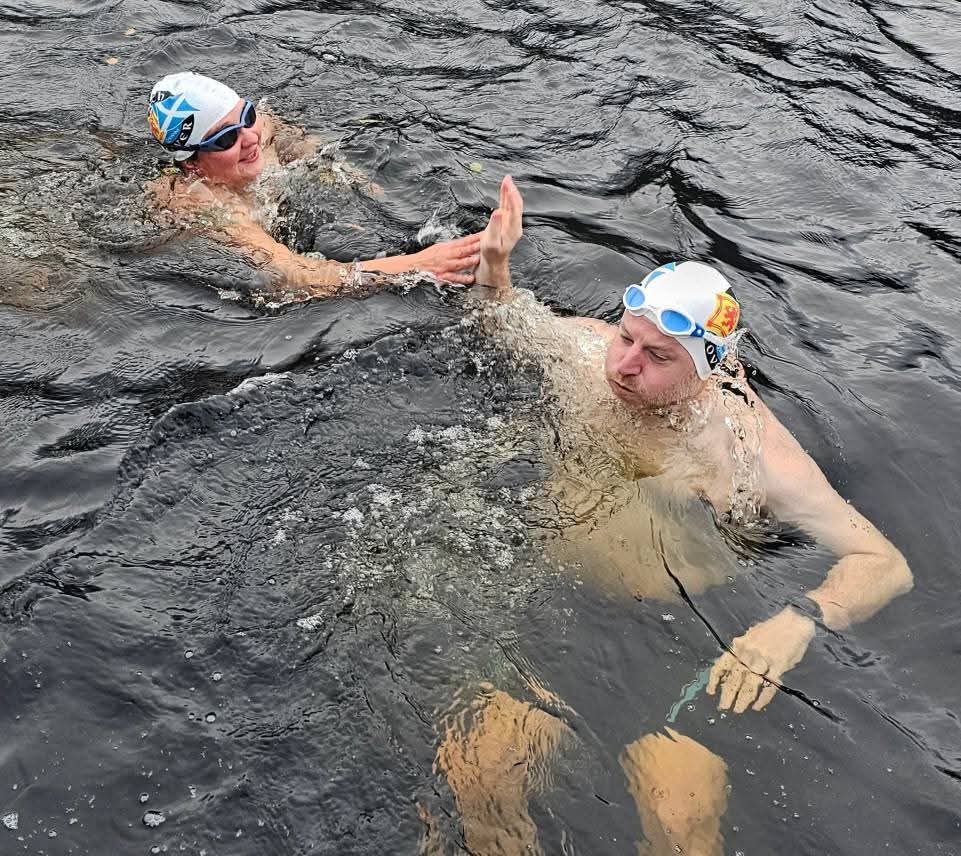

Bassenthwaite Lake
Almost 3 miles long, this stunning glacial water will take your breath away. A full crossing of Bassenthwaite is about maintaining rhythm and discipline while navigating wind, surface movement and sustained distance in open freshwater.
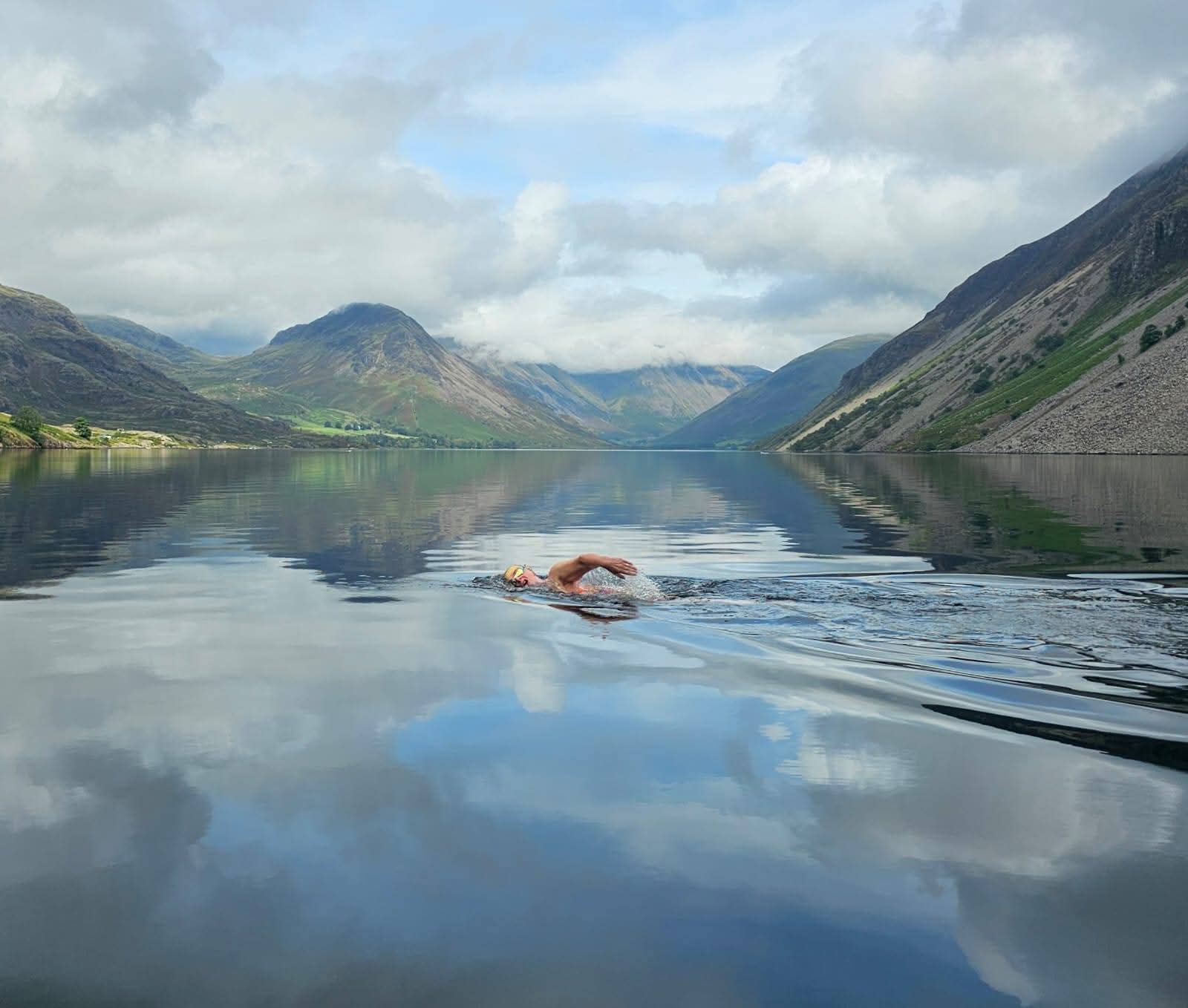
Wastwater
This 2.8 mile swim across England’s deepest lake is short on distance but high on intensity. A full crossing of Wast Water is about cold tolerance, mental focus and swimming in a powerful, enclosed landscape where conditions can change quickly and silence dominates the water.
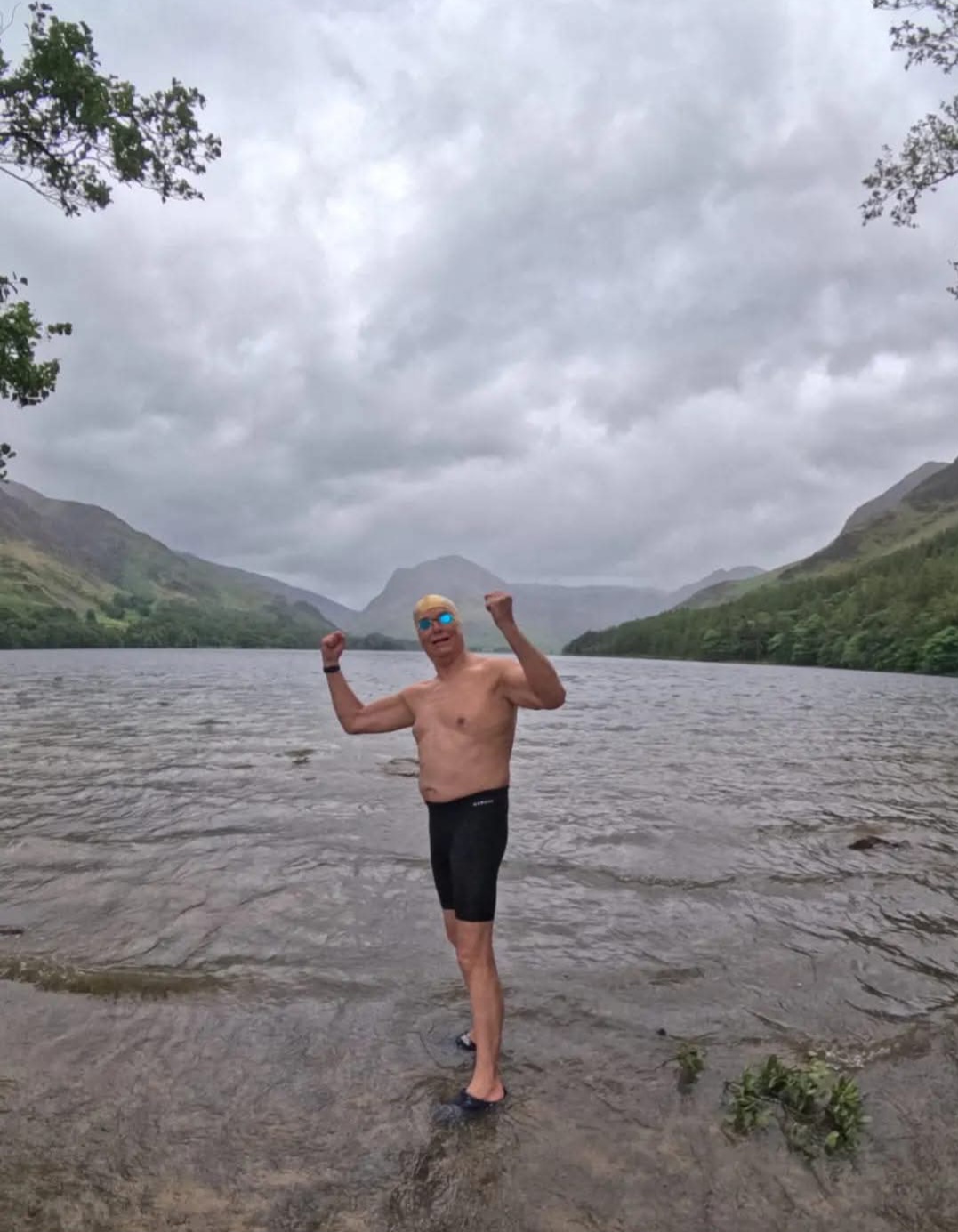
Buttermere
The quintessential Lake District swim. Choose your distance in the pristine waters of Buttermere, surrounded by a breathtaking amphitheatre of mountains.

Crummock Water
A hidden gem of the Lake District. Crummock Water offers a 2.5-mile wild swimming experience through some of the most dramatic scenery in the UK.
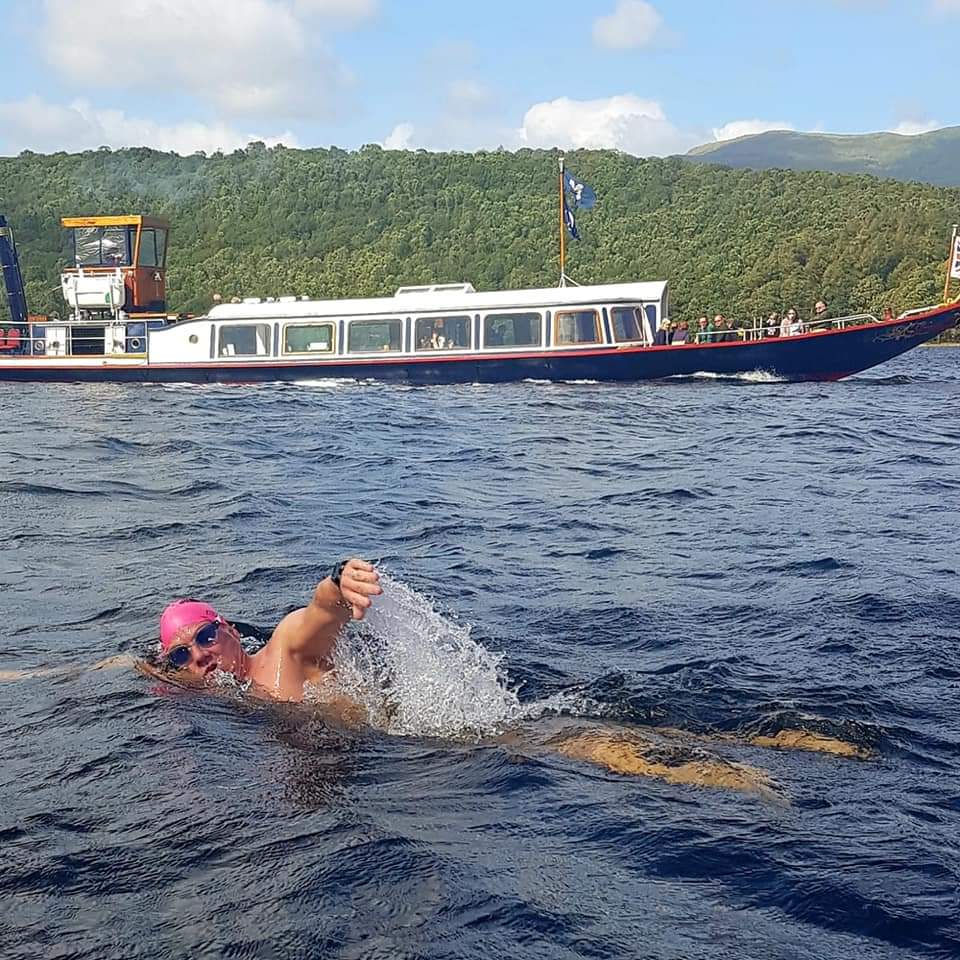
Coniston Water
Follow in the wake of history. Coniston Water’s 5.25-mile crossing is a fast, flat, and historic swim perfect for those targeting their first "long" lake.
.jpg)
Ullswater
Often cited as England's most beautiful lake, Ullswater offers a 12km Alpine lake swim that tests your ability to navigate changing wind directions.
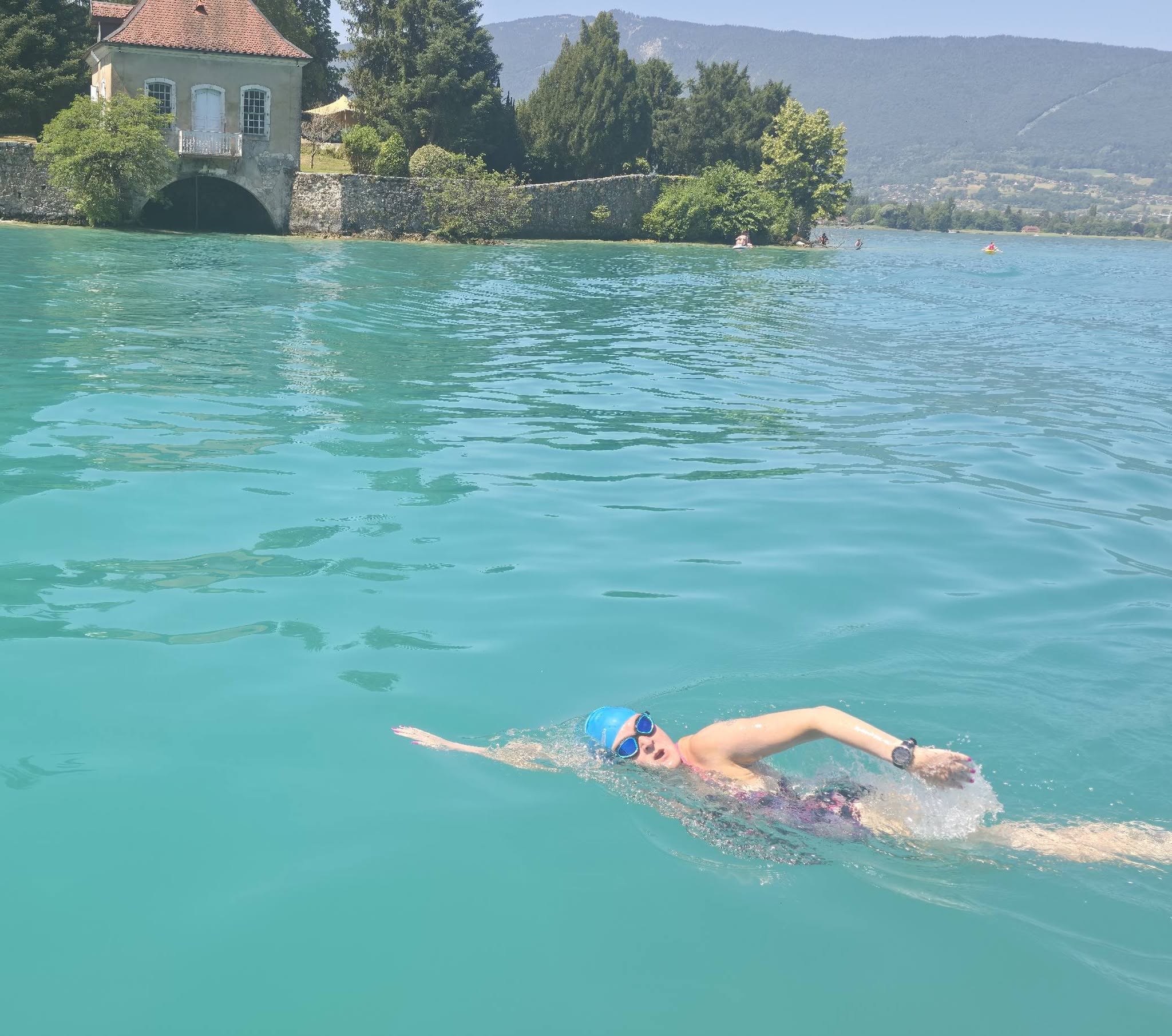
Annecy *Fully booked for 2027
Swim through the cleanest water in Europe. Lake Annecy offers an 8.5-mile alpine crossing with stunning visibility and a breathtaking mountain backdrop.

BLDSA Qualifying Swims
Recognised Channel Swimming Association (CSA), the Channel Swimming & Piloting Federation (CS&PF) and Marathon Swimmers Federation (MSF) qualifying swims are an essential step for many major marathon events. We provide full safety cover, temperature, photo and video verification, official observation, and practical coaching support throughout.
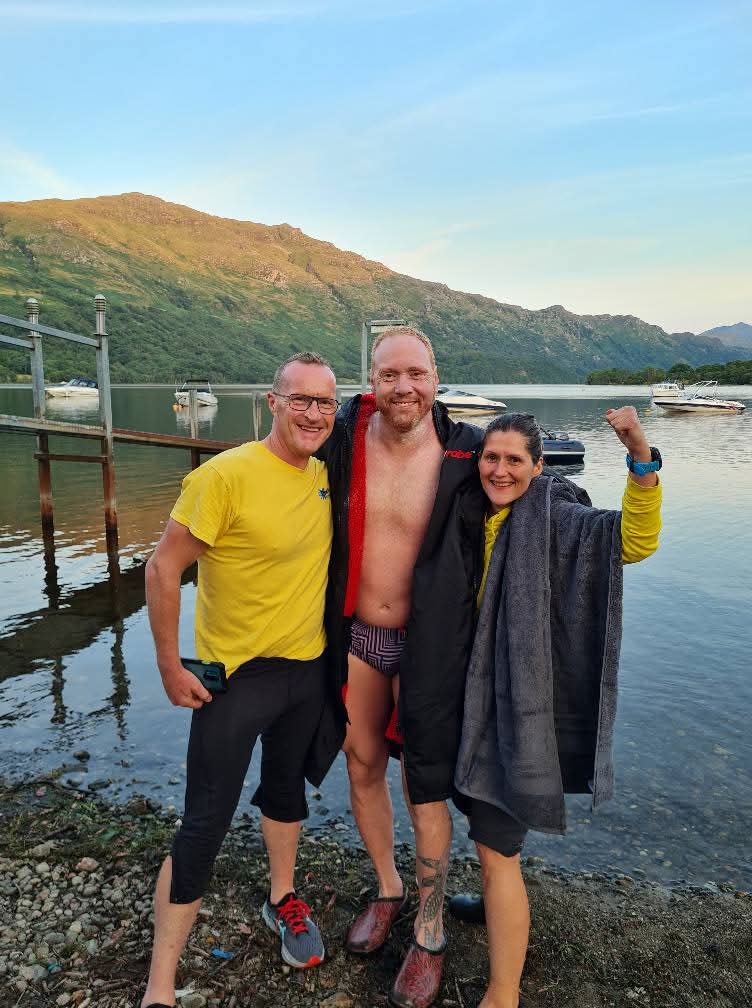
Loch Lomond
This 22.4 mile iconic loch offers a formidable test of endurance — cold, expansive and beautifully remote. A full-length crossing of Loch Lomond is not simply about distance; it is about navigating scale, conditions and complexity across one of Britain’s most iconic freshwater landscapes.
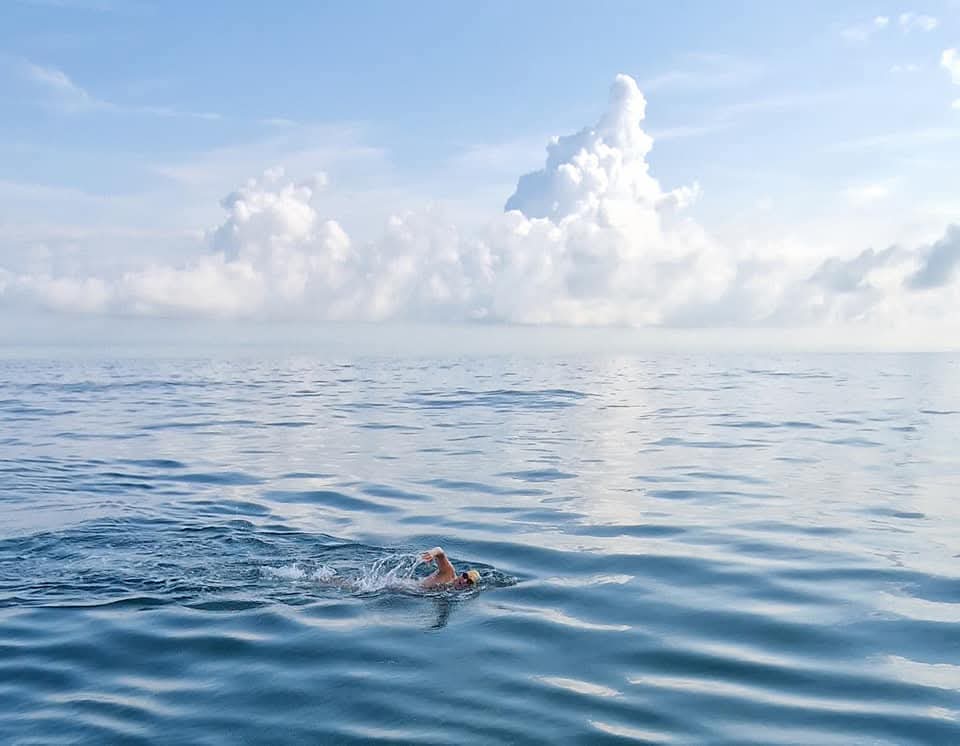
English Channel
We support both 21 mile solo and relay swimmers from first enquiry to landing in France — including qualifying swims, tide and pilot guidance, and full-season training plans. Each crossing is documented so your story becomes part of Channel history.
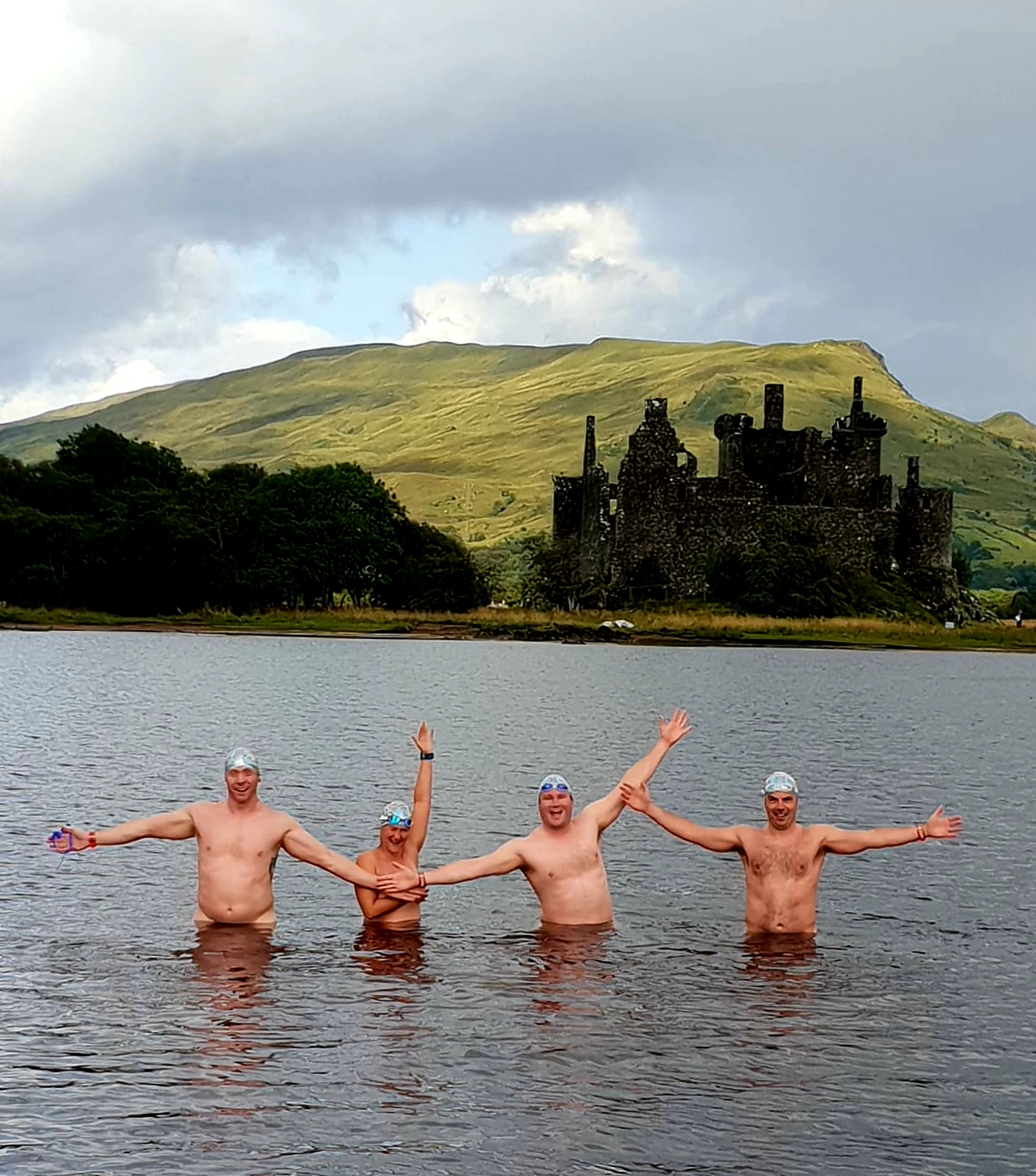
Loch Awe
A 25-mile (41km) classic — swimming past islands and ruined castles in a loch that is both beautiful and demanding.
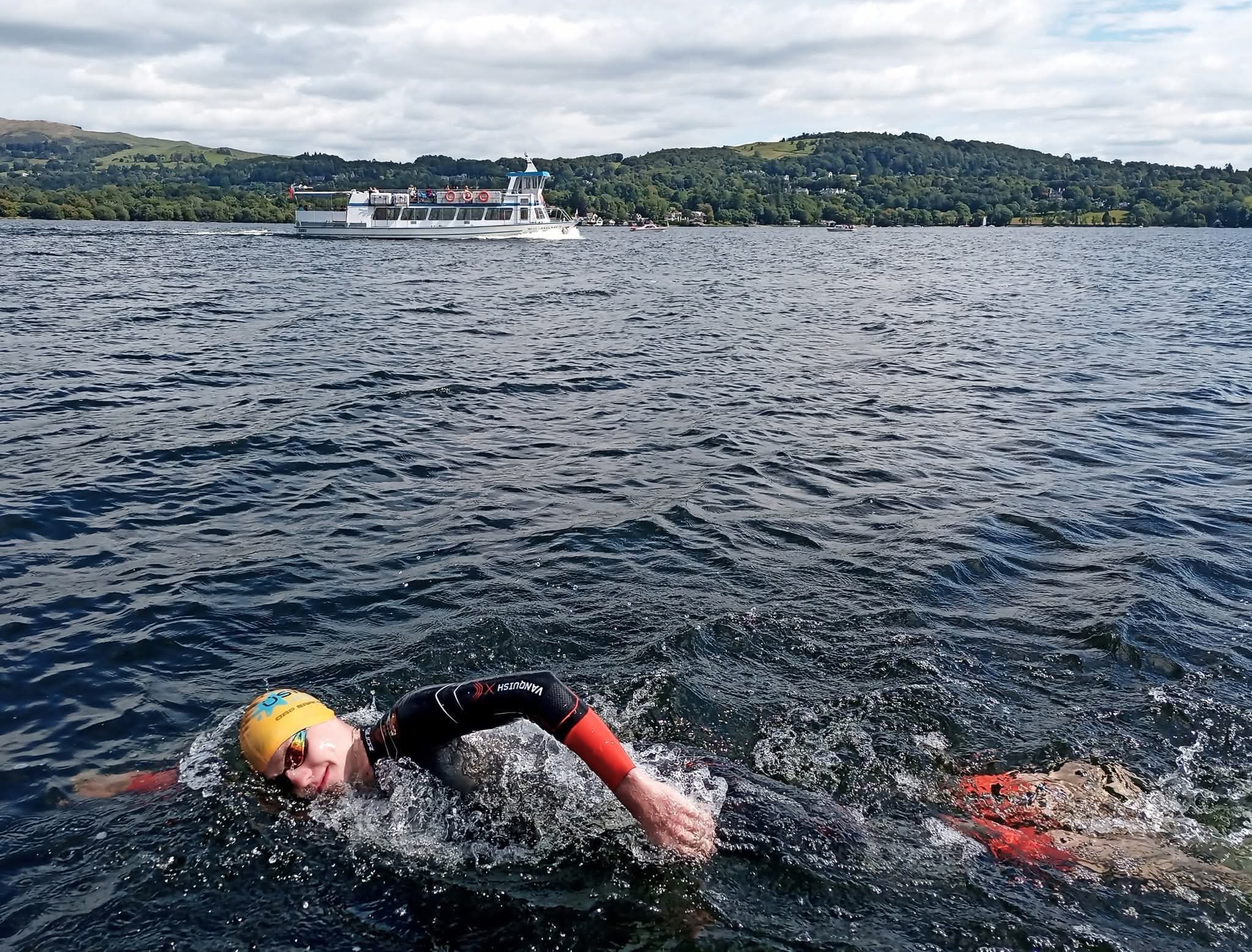
Windermere One-Way
10.5-mile freshwater challenge through the heart of the Lake District. For many swimmers, this is the defining English marathon — a major but accessible UK swim that carries history, prestige and genuine endurance credibility.
Big ideas? Not sure where to start? Book a free kick-start call with Karen
If you’ve got an idea, a dream route, or just a feeling that you’d like to do something extraordinary, Karen can help you shape it into a realistic, safe and achievable plan. On the call, you’ll cover expectations, what’s realistic, and the likely steps needed to get there.
