
English Channel
We support both 21 mile solo and relay swimmers from first enquiry to landing in France — including qualifying swims, tide and pilot guidance, and full-season training plans. Each crossing is documented so your story becomes part of Channel history.
The World’s Most Iconic Open-Water Crossing
Have you ever stood on the shoreline, looked toward the horizon, and imagined swimming all the way to France?
Have you ever felt the pull of doing something so bold, so demanding, that it changes how you see yourself forever?
If the answer is yes, your journey starts here.
Since Captain Matthew Webb became the first person to swim the 21+ miles of the English Channel in 1875, this narrow stretch of water has captivated endurance athletes from around the world. It is not simply a swim — it is a benchmark of human resilience. A proving ground. A life-defining achievement.
The English Channel is widely regarded as the ultimate open-water test of endurance, grit and mental fortitude.
Did you know? Fewer people have successfully swum the English Channel than have summited Mount Everest.
That statistic alone tells you what you need to know: this is not ordinary. This is exceptional.
The Challenge
To join this elite group of marathon swimmers, you must overcome formidable and unpredictable obstacles.
The Channel is one of the busiest shipping lanes in the world. You will cross international traffic separation schemes, guided precisely by your pilot as cargo ships move steadily through the same waters.
You do not swim in a straight line. The tides dictate your route, pulling you in long arcs across the sea. Understanding tidal flow and trusting your pilot’s navigation is critical.
Swells can build quickly, sometimes reaching 10–15 feet in exposed conditions. Wind shifts alter surface texture and breathing rhythm. The sea may feel calm at sunrise and hostile by mid-morning.
Water temperatures typically range between 14–18°C in peak season — and can feel colder during long night starts. Prolonged exposure to cold salt water, combined with chafing and swelling, becomes part of the battle.
And then there is the time. Most solo swims take between 9 and 16+ hours, depending on conditions and pace. For that entire duration, you must remain technically efficient, nutritionally disciplined and mentally composed.
All swim attempts are strictly observed and regulated. To have your swim officially ratified, you must follow the Channel Rules:
• Standard costume only
• One swim cap
• Goggles
• No wetsuit
• No neoprene
• No physical assistance
• No touching the boat
This is swimming in its purest form — you against the water.
Solo or Relay — It’s About Commitment
Whether you are aiming for a Solo crossing or joining a Relay team of 2–6 swimmers, you do not need to be the fastest swimmer in the water.
But you do need:
• Courage
• Consistency
• Cold-water resilience
• Long-term commitment
• Technical discipline
• A mindset that thrives when things get uncomfortable
The Channel rewards preparation. It rewards patience. It rewards those who show up, week after week, long before France is even visible.
You Train. We Take the Strain.
Getting to France requires far more than fitness. It requires precision planning, early bookings, regulatory compliance, and seamless coordination.
Boat slots are often secured years in advance. Weather windows shift. Paperwork is exacting. Feeding protocols must be rehearsed. Crew roles must be clearly defined.
This is not something to navigate alone.
As one of the UK’s most experienced guiding organisations, Qswim Adventure has successfully supported countless solo swimmers and relay teams through every stage of their Channel journey.
We understand what it takes — because we have been there.
Our comprehensive packages are tailored to your specific needs and may include:
Pilot & Boat Logistics
• Sourcing and booking experienced Channel Escort boats
• Liaising directly with your pilot
• Managing tide windows and scheduling.
Administration
• Handling complex paperwork and registration
• Supporting relay documentation
• Liaising with governing bodies and observers.
Holistic Support
• Structured training guidance
• Nutrition and feeding strategy
• Injury prevention advice and physio referrals
• Mental preparation and resilience support.
Training Opportunities
• Organising mandatory qualifying swims
• Milestone events at our lakes
• Sea training blocks, including the Bournemouth Sea Camp
On-the-Day Support
• Live GPS tracking
• Real-time updates for your supporters
• Crew coordination and communication management
Crew Training
If we are not physically on the escort boat, we prepare your personal crew thoroughly — ensuring they understand feeding systems, safety protocols, communication strategy and emergency procedures.
You focus on the water.
We handle everything around it.
Do You Have What It Takes?
The Channel is not for everyone. It requires sacrifice, patience and an ability to stay calm when the weather postpones your start for days — sometimes weeks.
Before booking a discovery call, ask yourself:
• Do you genuinely love endurance swimming, even when it’s hard?
• Can you commit fully to a structured training plan designed to transform your fitness and refine your technique?
• Are you resilient when conditions turn against you?
• Do you stay positive when progress feels slow?
• Are you a team player who understands that success depends on trust and communication?
If your answer is yes — or even “I’m ready to find out” — then this could be your moment.
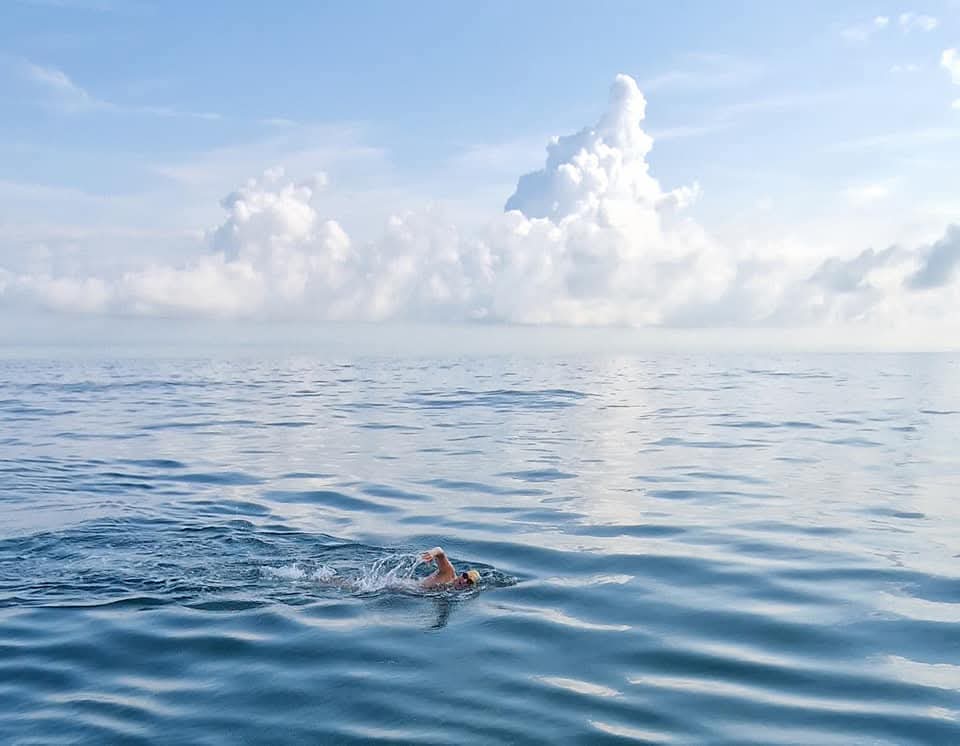

Bassenthwaite Lake
Almost 3 miles long, this stunning glacial water will take your breath away. A full crossing of Bassenthwaite is about maintaining rhythm and discipline while navigating wind, surface movement and sustained distance in open freshwater.
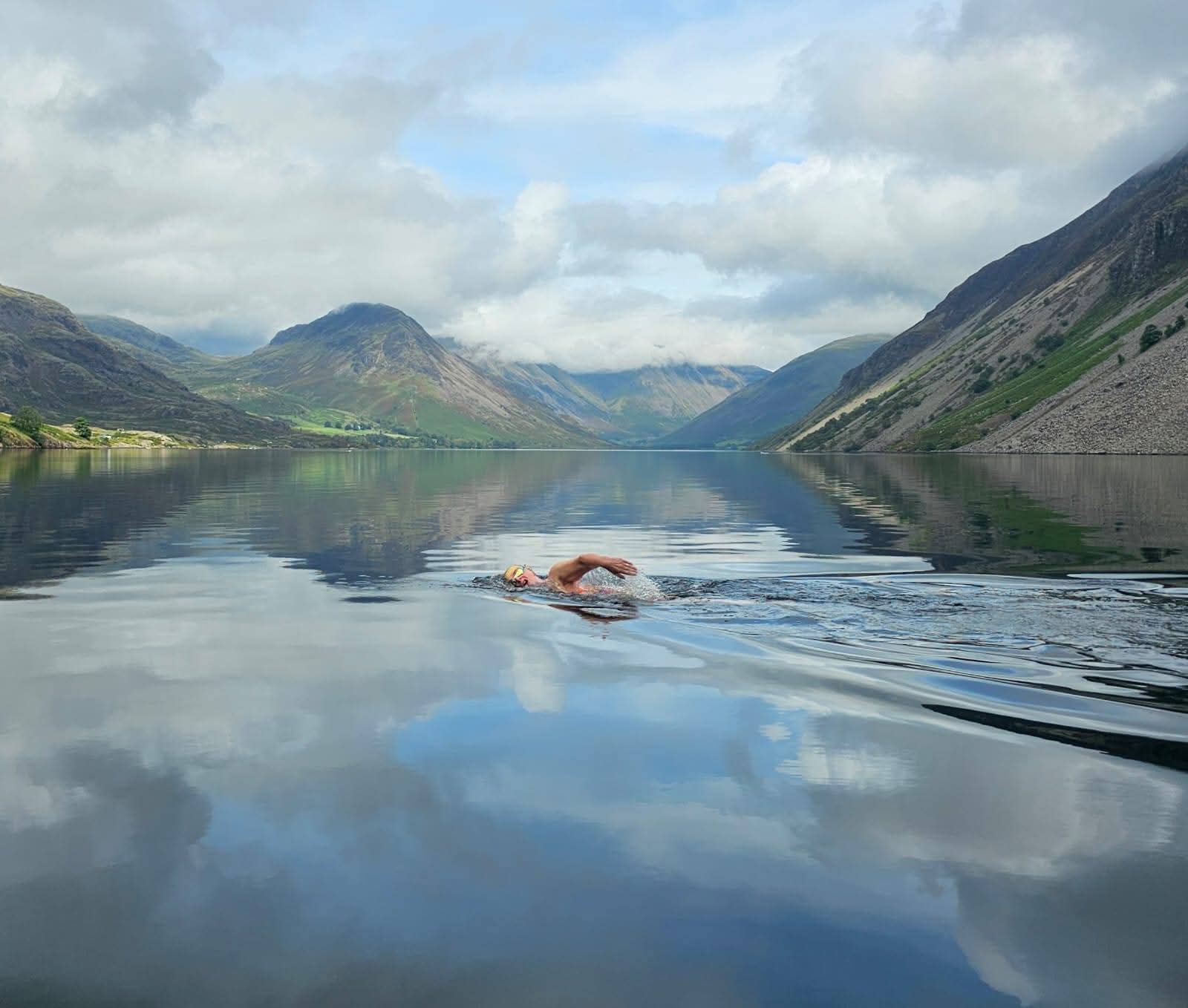
Wastwater
This 2.8 mile swim across England’s deepest lake is short on distance but high on intensity. A full crossing of Wast Water is about cold tolerance, mental focus and swimming in a powerful, enclosed landscape where conditions can change quickly and silence dominates the water.
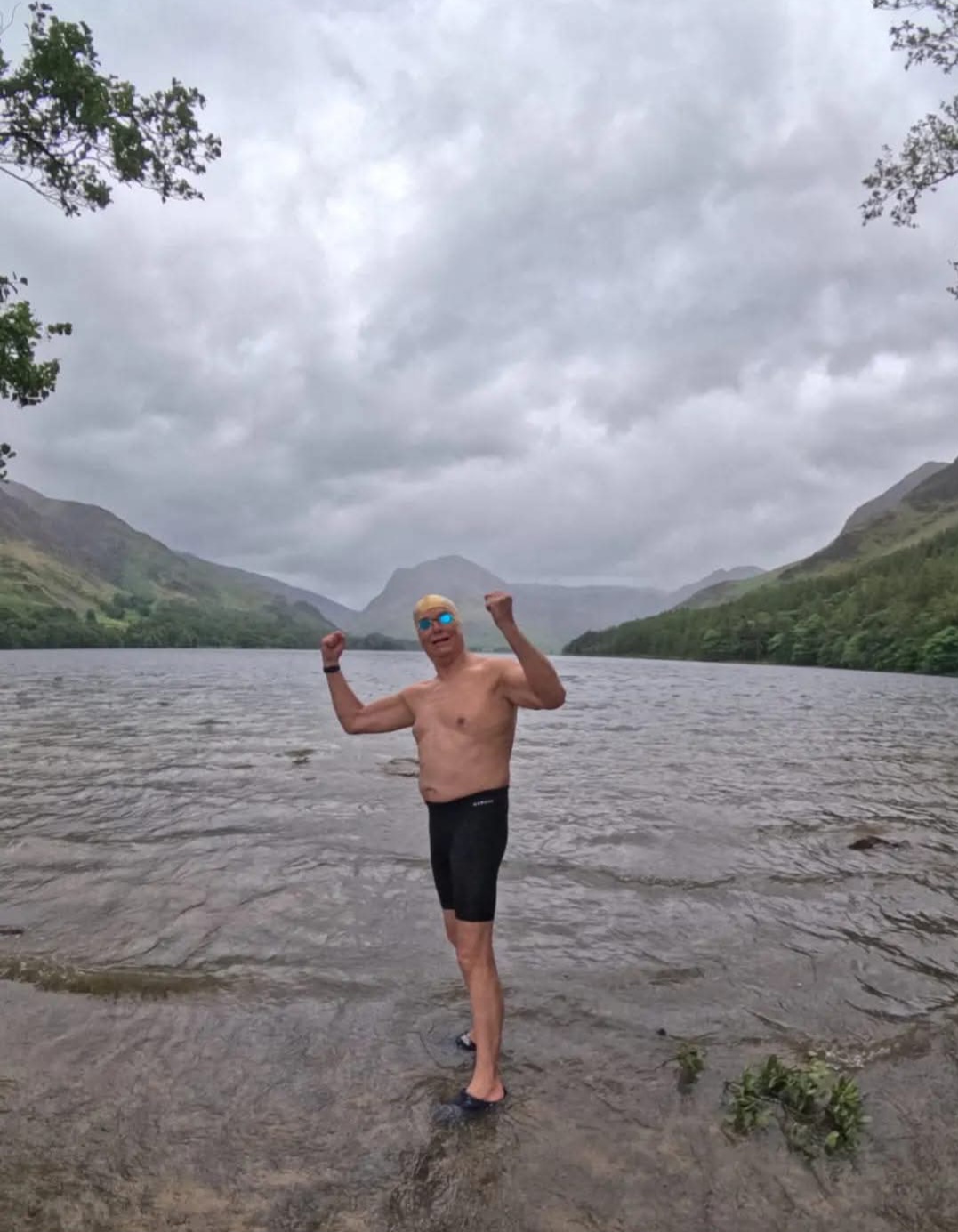
Buttermere
The quintessential Lake District swim. Choose your distance in the pristine waters of Buttermere, surrounded by a breathtaking amphitheatre of mountains.

Crummock Water
A hidden gem of the Lake District. Crummock Water offers a 2.5-mile wild swimming experience through some of the most dramatic scenery in the UK.
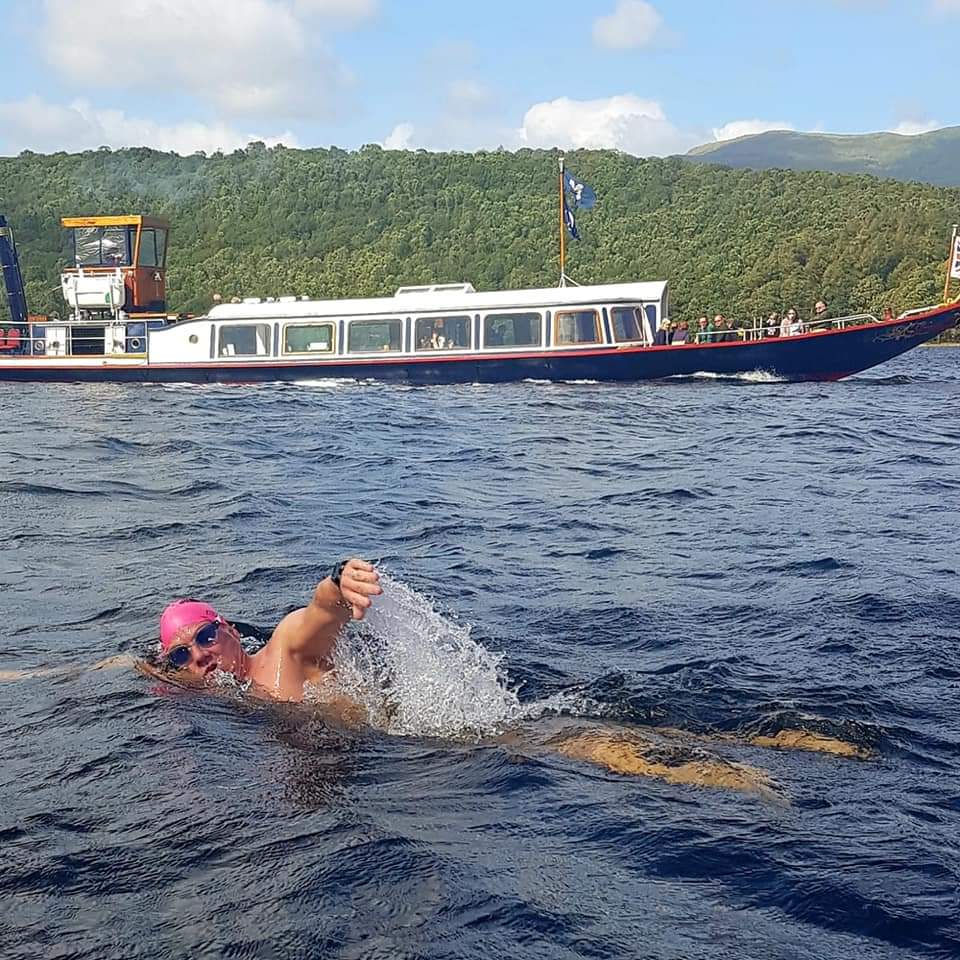
Coniston Water
Follow in the wake of history. Coniston Water’s 5.25-mile crossing is a fast, flat, and historic swim perfect for those targeting their first "long" lake.
.jpg)
Ullswater
Often cited as England's most beautiful lake, Ullswater offers a 12km Alpine lake swim that tests your ability to navigate changing wind directions.
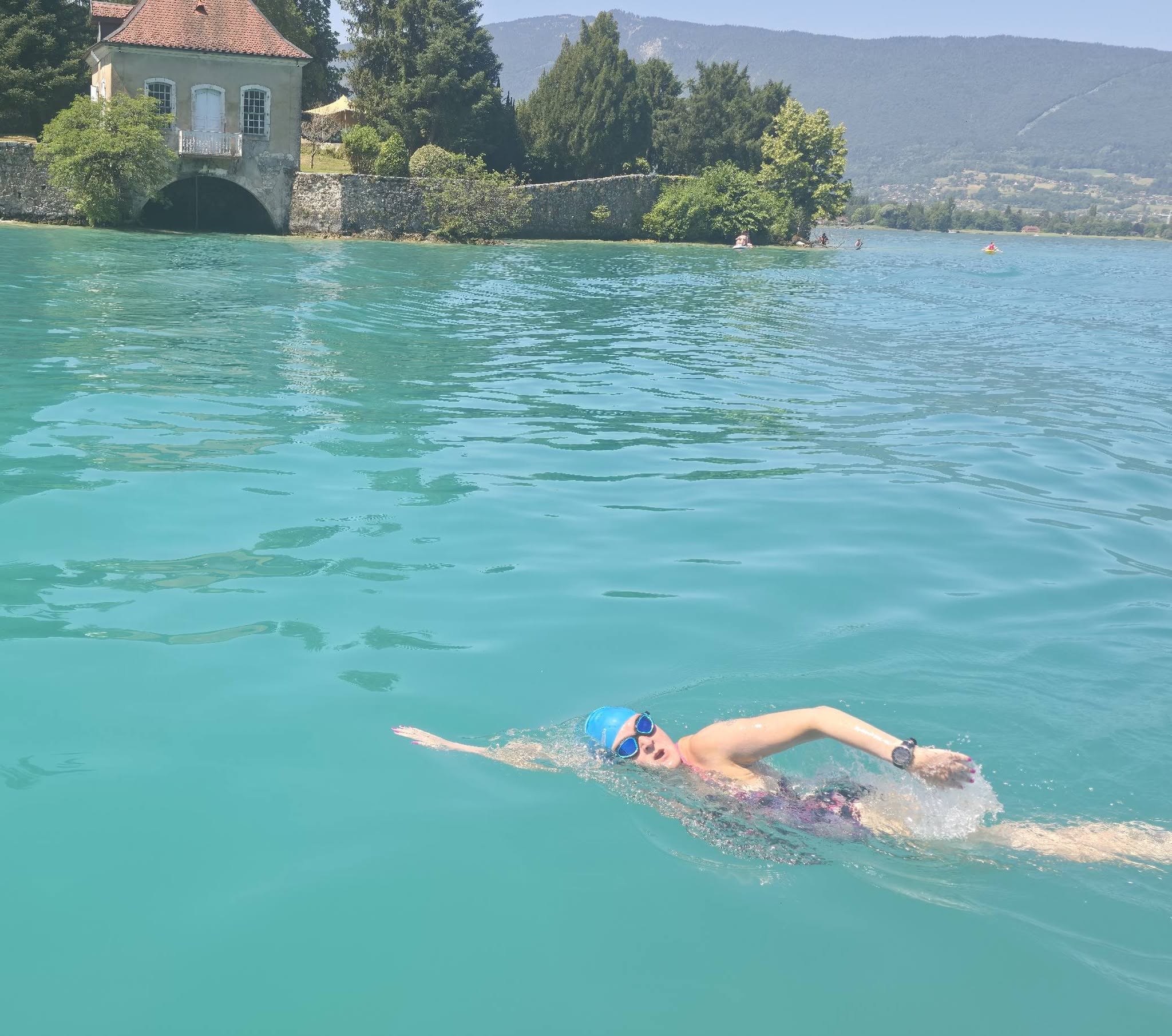
Annecy *Fully booked for 2027
Swim through the cleanest water in Europe. Lake Annecy offers an 8.5-mile alpine crossing with stunning visibility and a breathtaking mountain backdrop.

BLDSA Qualifying Swims
Recognised Channel Swimming Association (CSA), the Channel Swimming & Piloting Federation (CS&PF) and Marathon Swimmers Federation (MSF) qualifying swims are an essential step for many major marathon events. We provide full safety cover, temperature, photo and video verification, official observation, and practical coaching support throughout.
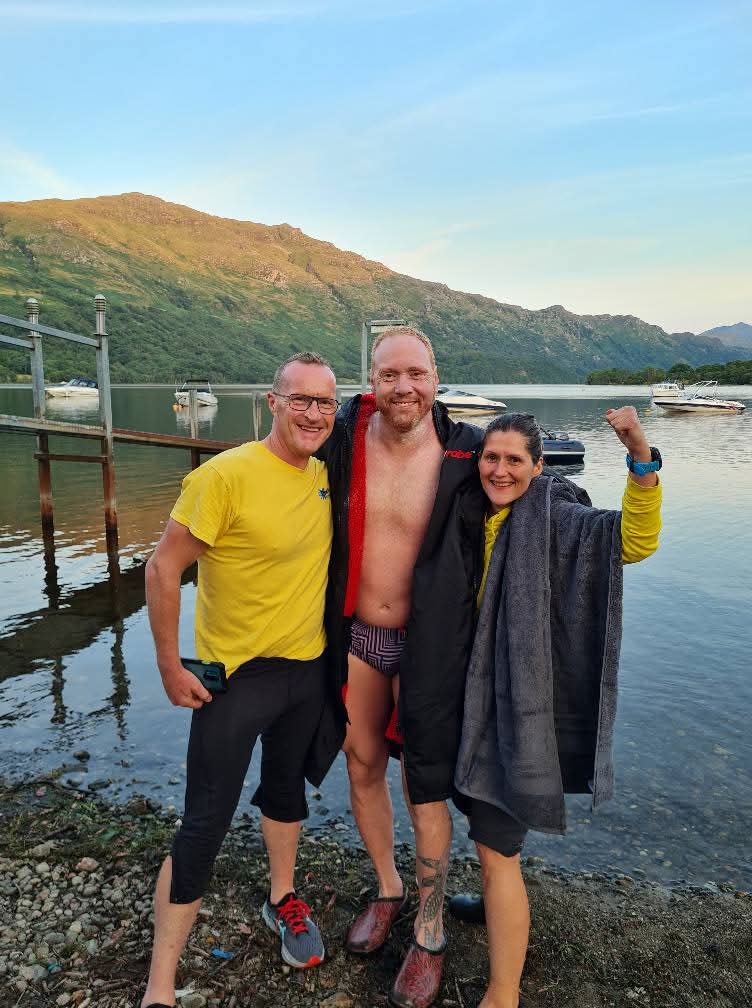
Loch Lomond
This 22.4 mile iconic loch offers a formidable test of endurance — cold, expansive and beautifully remote. A full-length crossing of Loch Lomond is not simply about distance; it is about navigating scale, conditions and complexity across one of Britain’s most iconic freshwater landscapes.
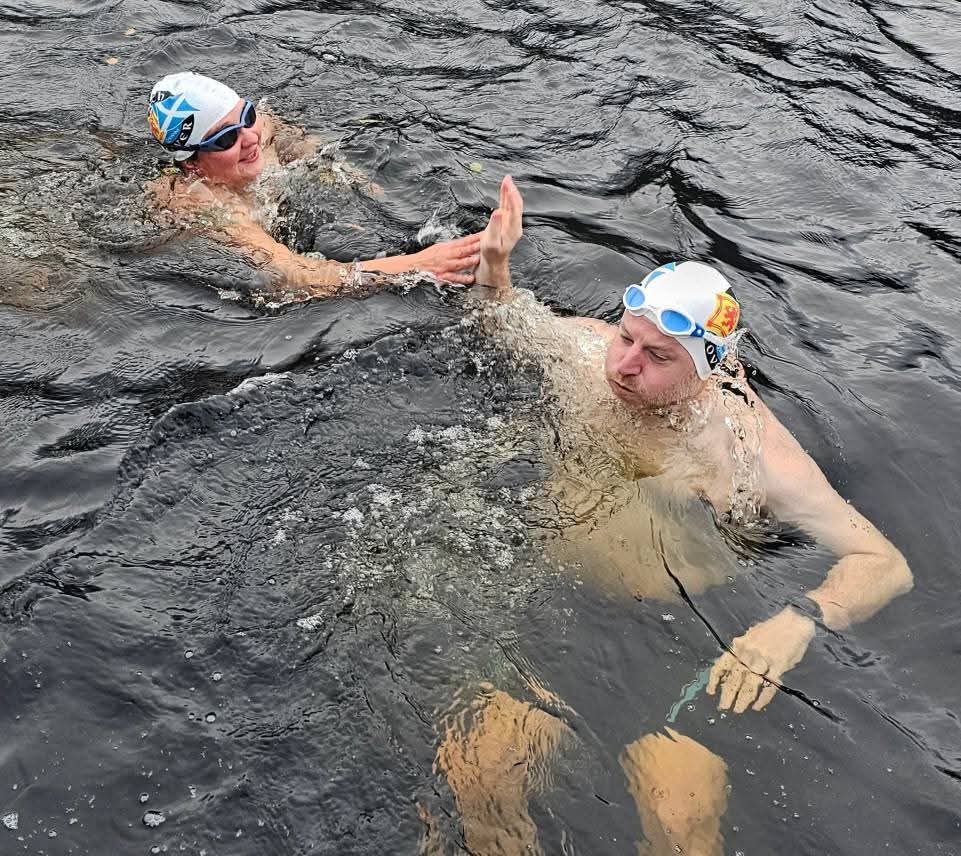
Loch Ness
Big, bold and iconic — 23 miles of cold, deep water in the Scottish Highlands.
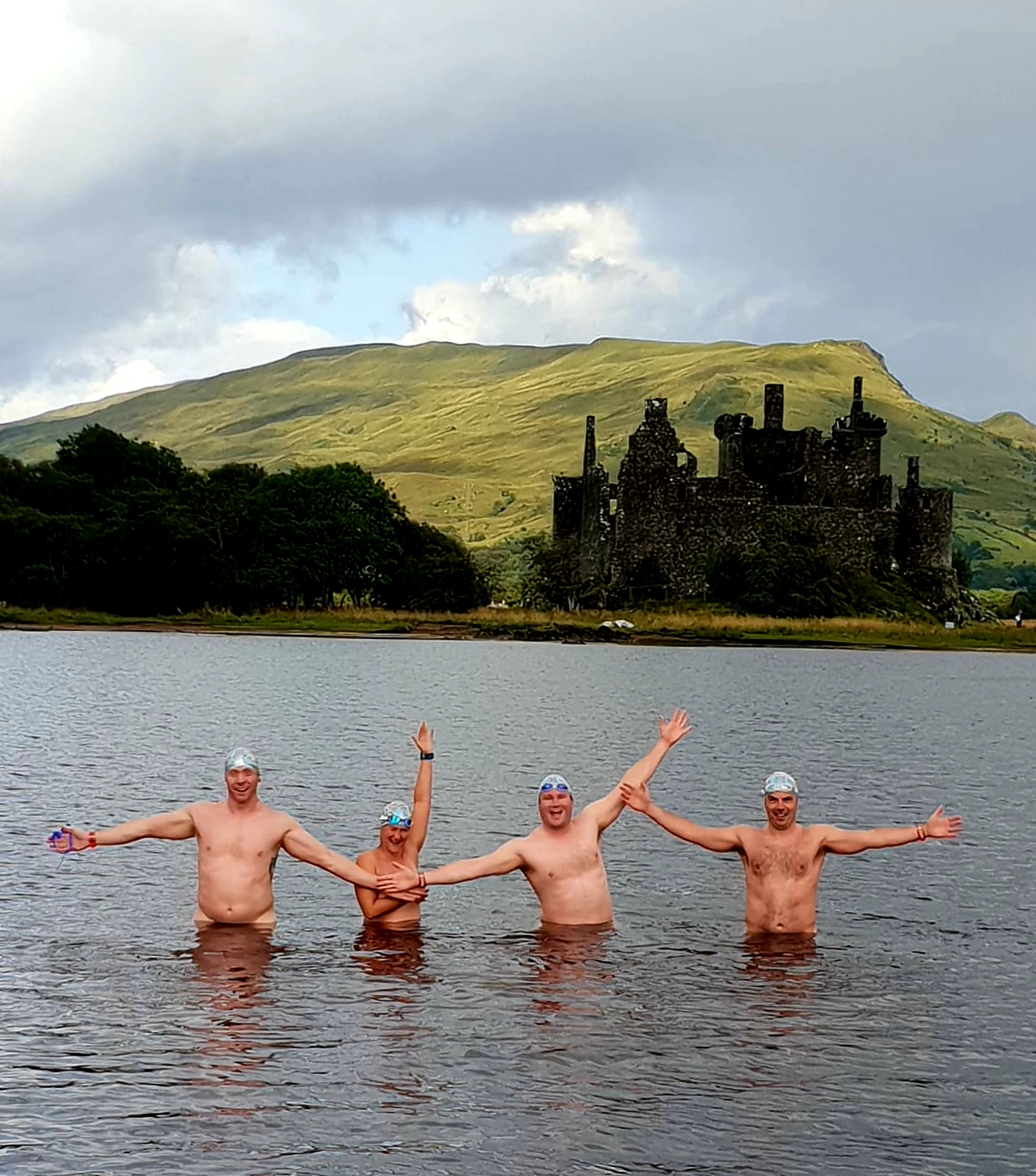
Loch Awe
A 25-mile (41km) classic — swimming past islands and ruined castles in a loch that is both beautiful and demanding.
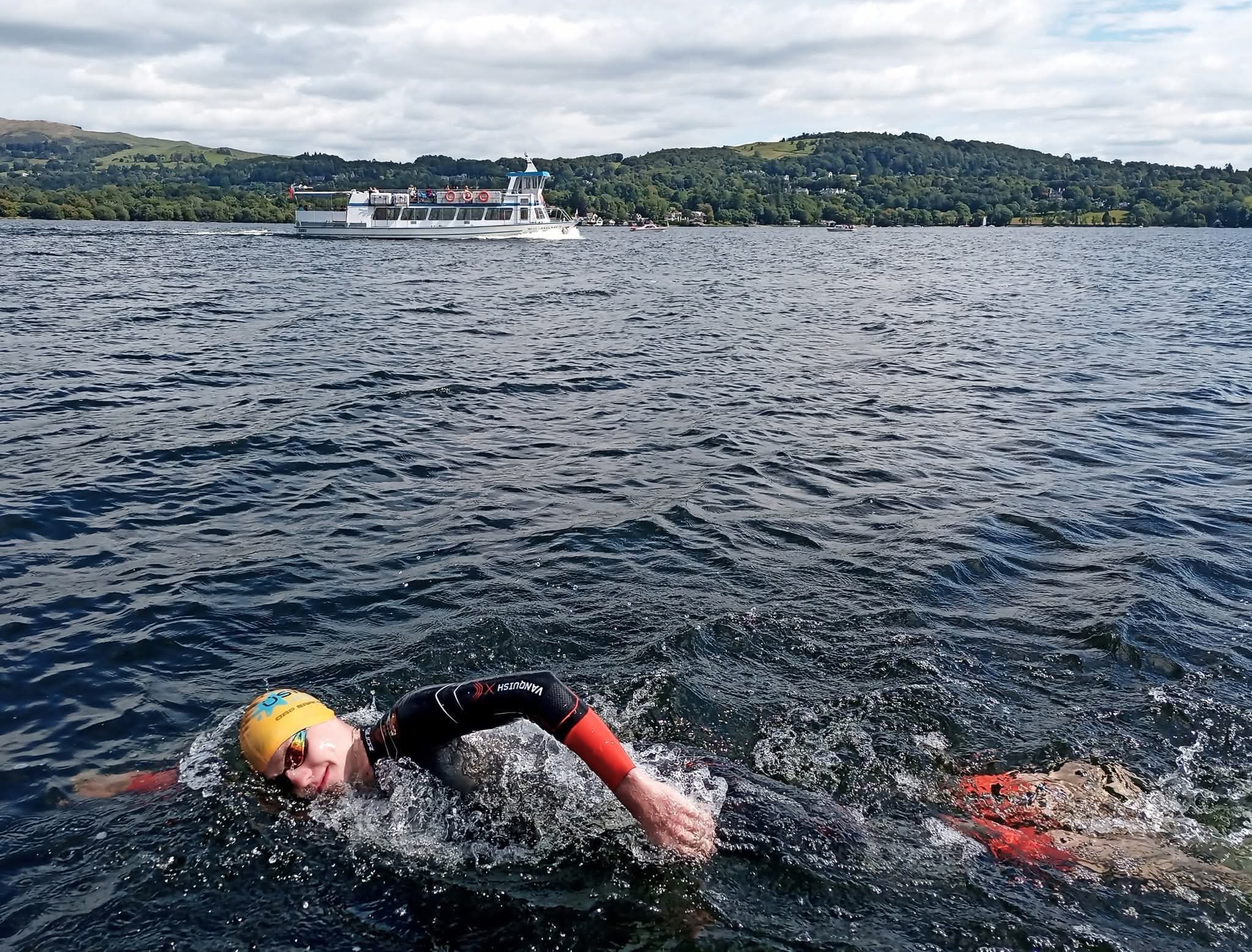
Windermere One-Way
10.5-mile freshwater challenge through the heart of the Lake District. For many swimmers, this is the defining English marathon — a major but accessible UK swim that carries history, prestige and genuine endurance credibility.
Big ideas? Not sure where to start? Book a free kick-start call with Karen
If you’ve got an idea, a dream route, or just a feeling that you’d like to do something extraordinary, Karen can help you shape it into a realistic, safe and achievable plan. On the call, you’ll cover expectations, what’s realistic, and the likely steps needed to get there.
