
Our Safety Tips for Open Water Swimming
Our Safety Tips for Open Water Swimming
Open water swimming is one of the most rewarding ways to connect with water — but safety should always come first. Whether you’re new to open water or building towards longer swims, a few simple principles can make every swim safer, calmer and more enjoyable.
Here are our key safety tips for open water swimming.
- Know the Conditions
Before you swim, take time to understand the environment. Check water temperature, wind direction, weather forecast, and any boat traffic. Conditions can change quickly, especially on lakes and coastal swims, so be prepared to adjust or cancel if things do not feel right.
If in doubt, don’t swim — there will always be another day. - Do not Swim Alone
Swimming with others or as part of a guided session adds an important layer of safety. Having support nearby means help is available if you get cold, tired or disoriented. Group swims also help build confidence and improve decision-making in open water. - Get Acclimatised to Cold Water
Cold water affects everyone differently. Enter slowly, give your breathing time to settle, and keep early swims short while you adapt. Acclimatisation takes time — rushing it increases the risk of cold shock and fatigue.
Listening to your body is key. - Use the Right Equipment
Bright swim hats, tow floats and appropriate swimwear improve visibility and safety. Tow floats help boats and other water users see you and also provide reassurance if you need a moment to rest.
Choose equipment that suits your swim and the conditions, not just what looks good.
As Karen would say put some clothes on 😊 - Have a Clear Plan
Know where you’re entering and exiting, how far you’re swimming and what to do if something changes. Let someone know your plan and expected return time, even for short swims.
Clear plans reduce stress — and stress is often the root of unsafe decisions. - Know When to Stop
Feeling cold, dizzy, disoriented or unusually tired are signs to get out. There’s no reward for pushing through when something feels wrong. Ending a swim early is a smart decision, not a failure.
The best swimmers are the ones who live to swim another day.
Swim Smart, Swim Safe
Open water swimming should leave you feeling energised, not depleted. Respect the water, prepare well, and choose support when you need it — especially as swims get longer or conditions more challenging.
If you’d like to build confidence with expert guidance, our guided swims and training plans are designed to help you swim safely and enjoy every moment in the water.
Respect the Channel, Trust the Process
Every Channel journey is different. Weather delays, cancellations and long waits are part of the experience. Learning to stay flexible and patient is part of your training too.
With consistent preparation, expert guidance and the right mindset, the English Channel becomes not just possible — but transformative.
Thinking About a Channel Swim?
Whether you’re at the early idea stage or deep into planning, structured training and experienced support can make all the difference. From qualifying swims and sea camps to bespoke long-term training plans, we help swimmers prepare safely and confidently for one of the world’s most iconic open-water challenges.

Read more like this

Karen Reid EC Solo Reflection
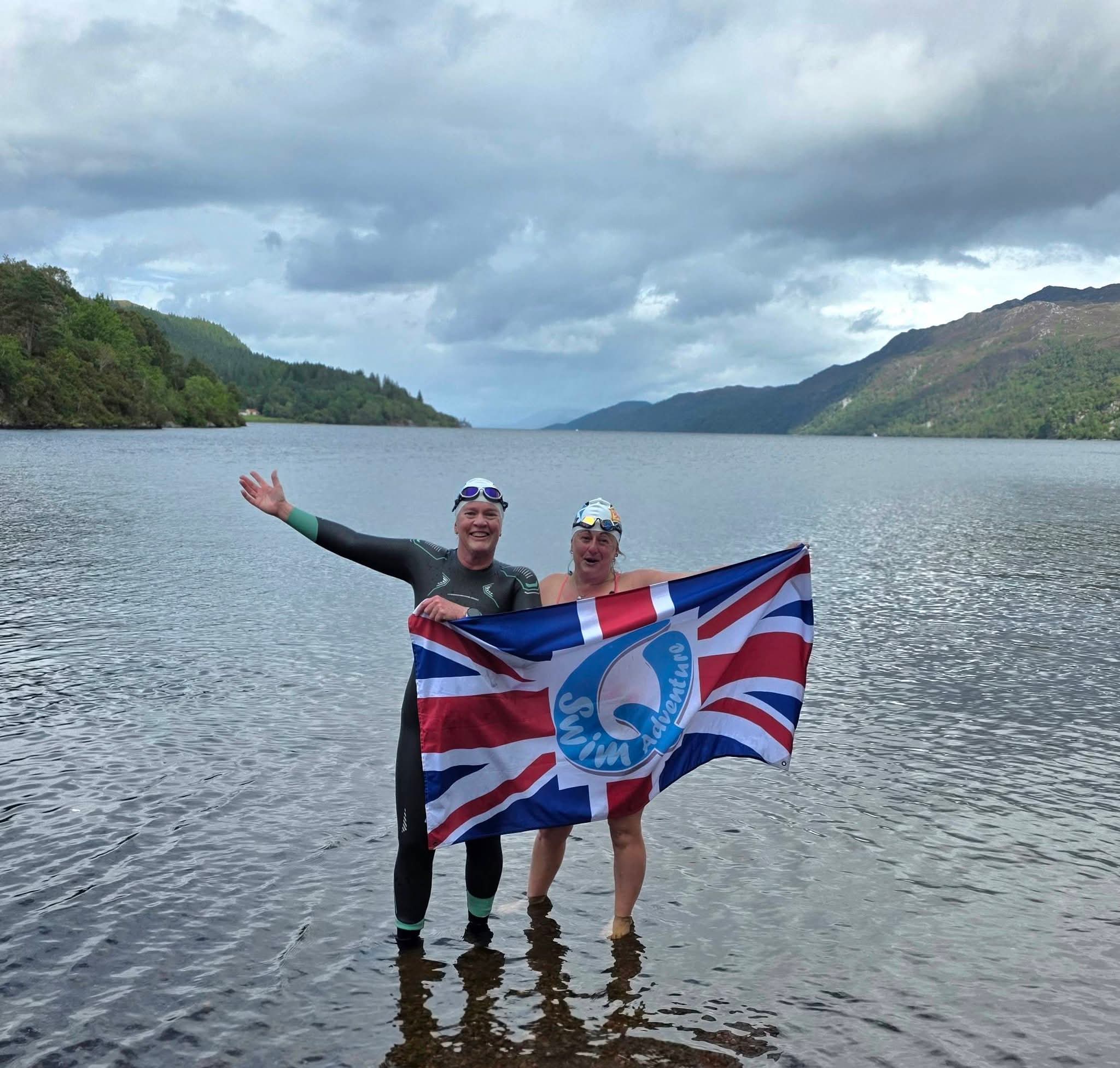
Supporting Swimmers on Loch Ness
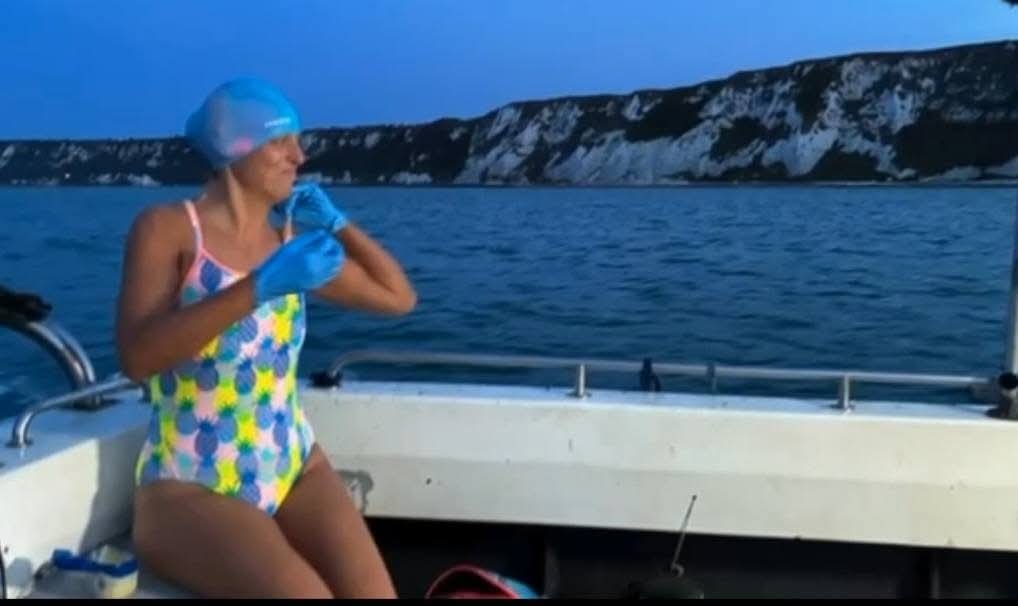
Emma Kirkman English Channel Reflection 2026
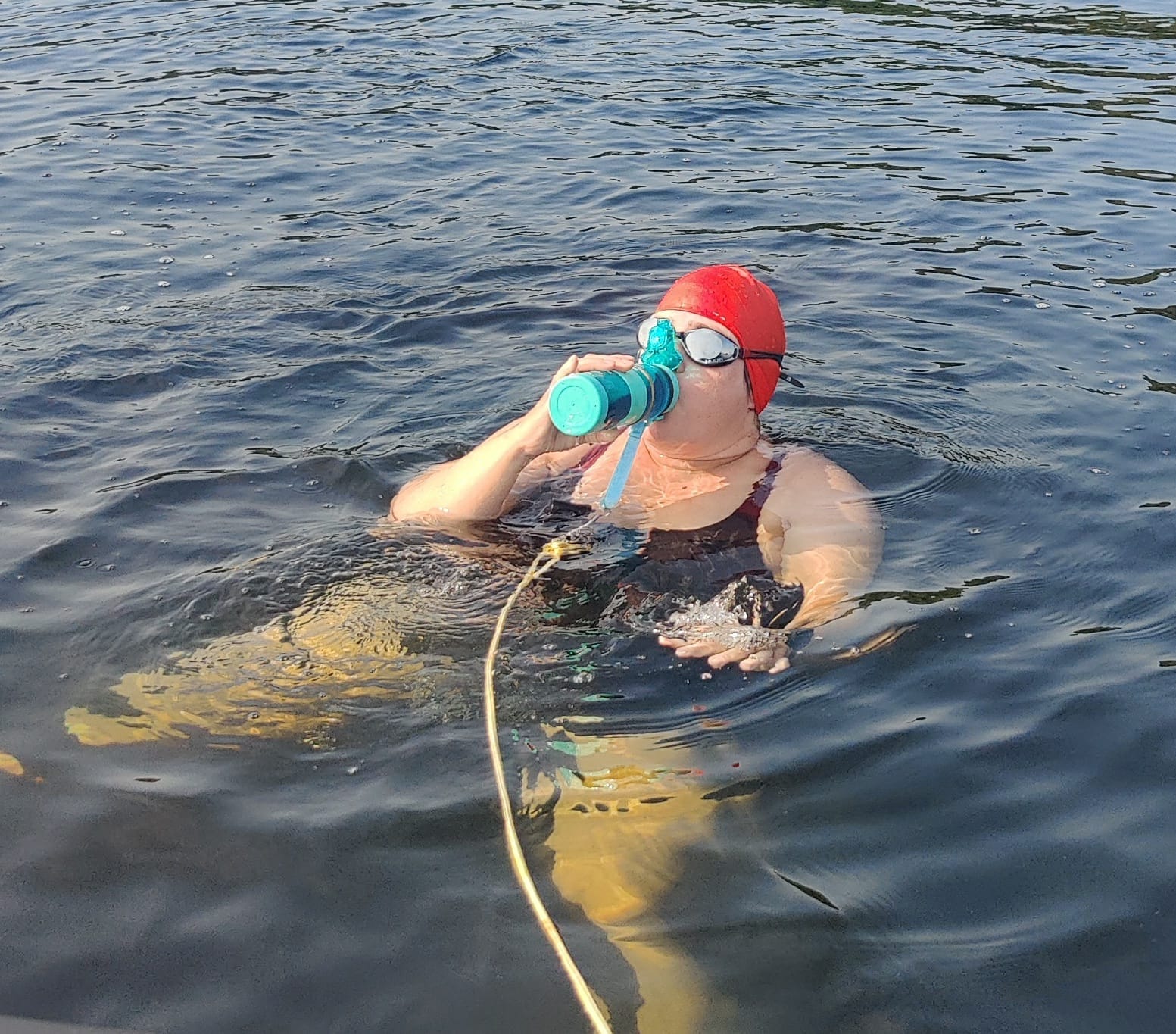
Habituation
Big ideas? Not sure where to start? Book a free kick-start call with Karen
If you’ve got an idea, a dream route, or just a feeling that you’d like to do something extraordinary, Karen can help you shape it into a realistic, safe and achievable plan. On the call, you’ll cover expectations, what’s realistic, and the likely steps needed to get there.
