
Habituation
As the open water Season approaches at a rate of knots , Qswim Adventure Guide and Uswim Founder Dave Quartermain explains the importance of developing experience and 'habituation'.
Open-water swimming is seriously tough—both physically and mentally—and success really comes down to two big things: how your body performs, and how used to the environment you are.
First, there’s the physical side. Most open-water swims happen in cold water (below 18°C), which puts a lot of stress on your body. You have to keep your core temperature stable to function properly, but that’s hard because water pulls heat away from your body much faster than air—about 25 times faster. That means you lose heat really quickly, so your body has to work extra hard to produce enough heat to stay warm.
This is where swimming speed matters. If you keep a good pace and maintain strong power output, your body generates more heat, which helps stop you from getting too cold. If you slow down too much, you cool down faster and your performance can drop. It’s not just your core temperature either—your skin and extremities (like hands and feet) can get really cold, which affects how comfortable you feel and how well you can actually swim.
The second big factor is experience, or what’s called habituation. It’s not really about your body “adapting” to the cold—it’s more about getting used to it. The more time you spend in open water, the better you handle things like the initial shock of cold water, pacing yourself, and staying calm.
And honestly, the mental side is just as important. Swimming in open water can feel intense—you’re often in deep water, far from others, with limited visibility, and maybe even worrying about what’s beneath you. It can be isolating and a bit scary, so you need to stay focused and keep your nerves under control. In my experience being able to stay focussed and positive for up to fourteen hours of sensory deprivation is the key.
So overall, being a good open-water swimmer isn’t just about being fit. You need the physical ability to keep producing heat and maintain your pace, but you also need experience in the water and the mental strength to handle everything that comes with it.
Read more like this

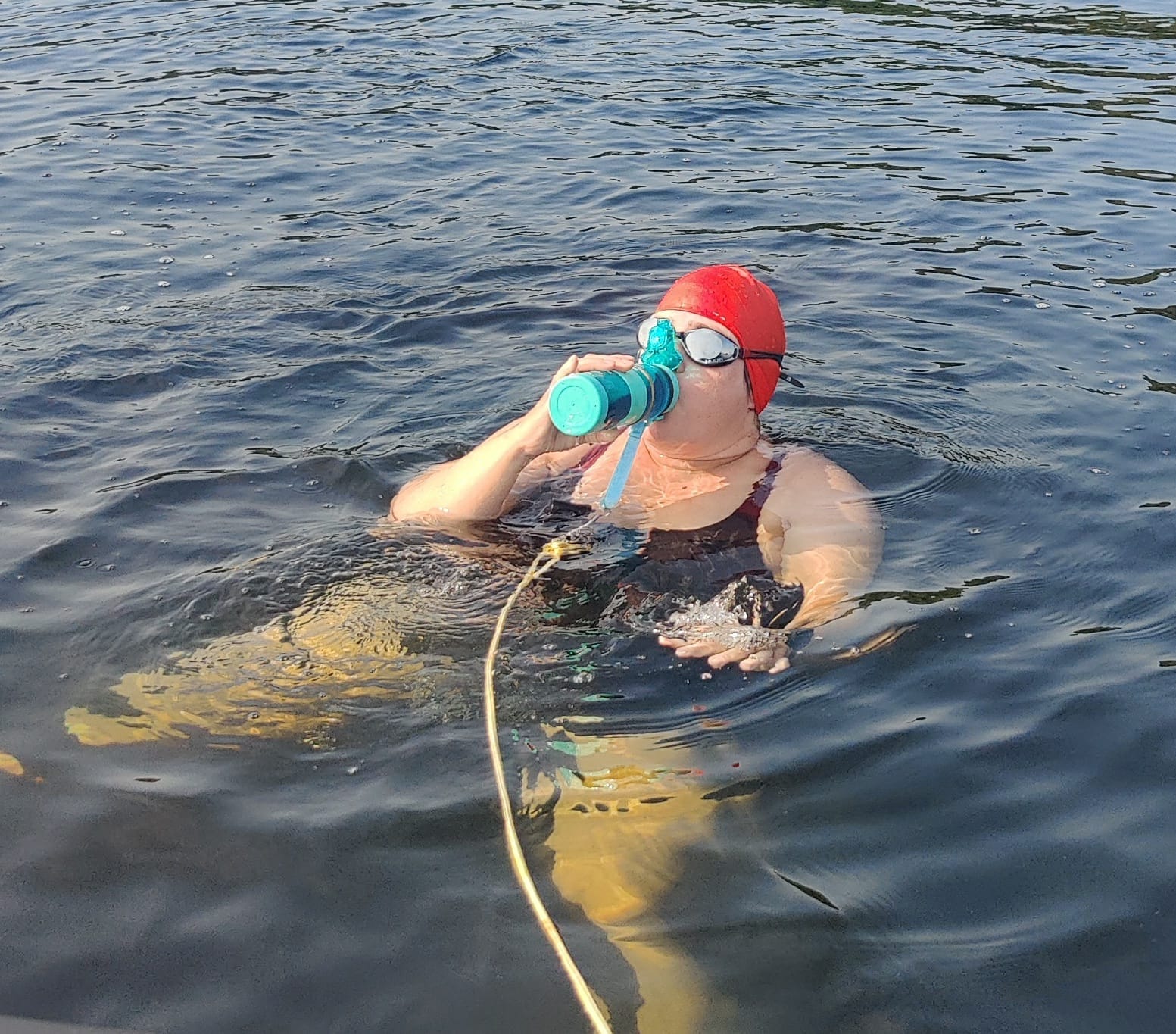
Karen Reid EC Solo Reflection
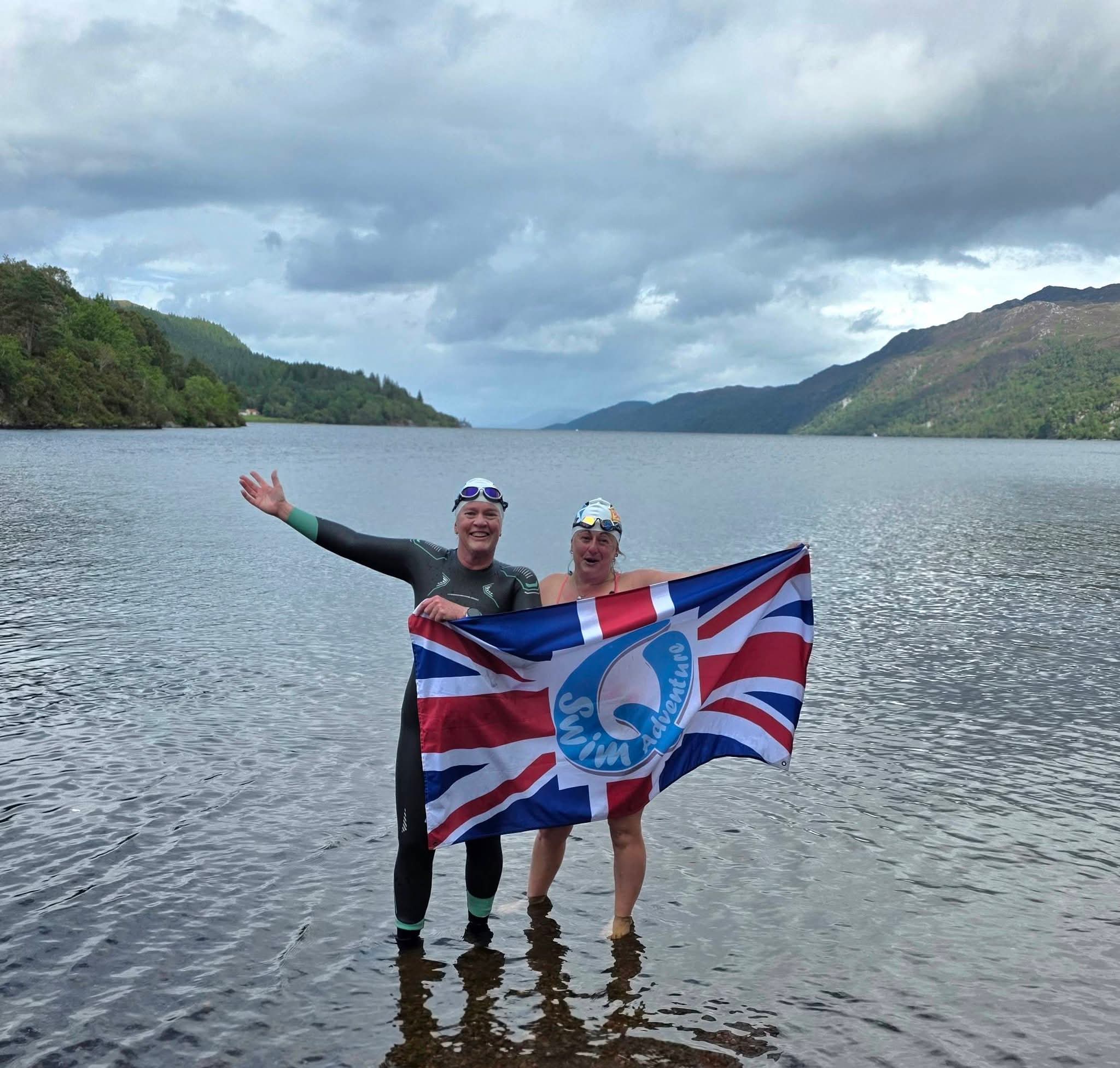
Supporting Swimmers on Loch Ness
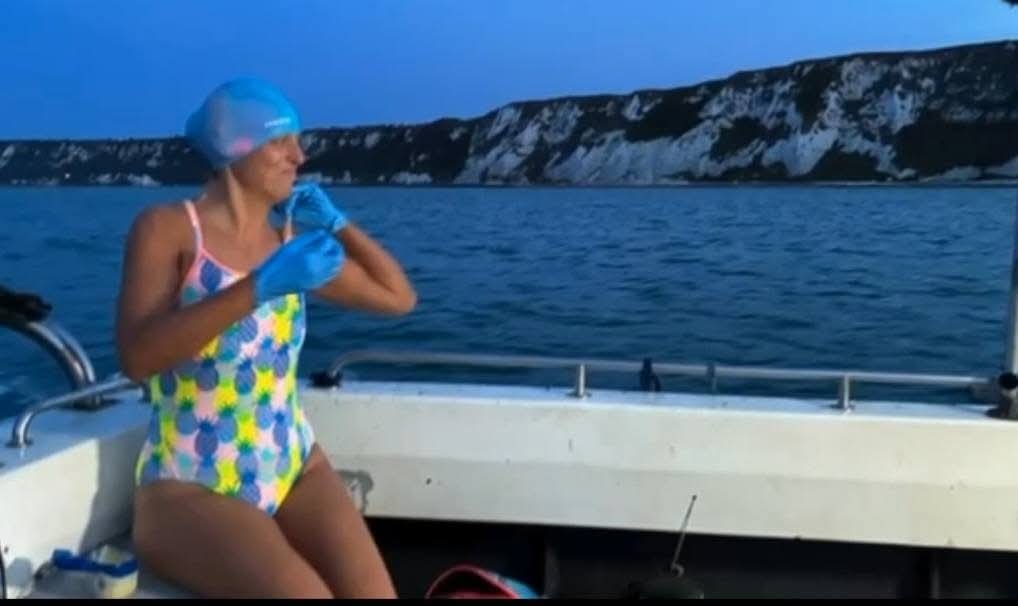
Emma Kirkman English Channel Reflection 2026
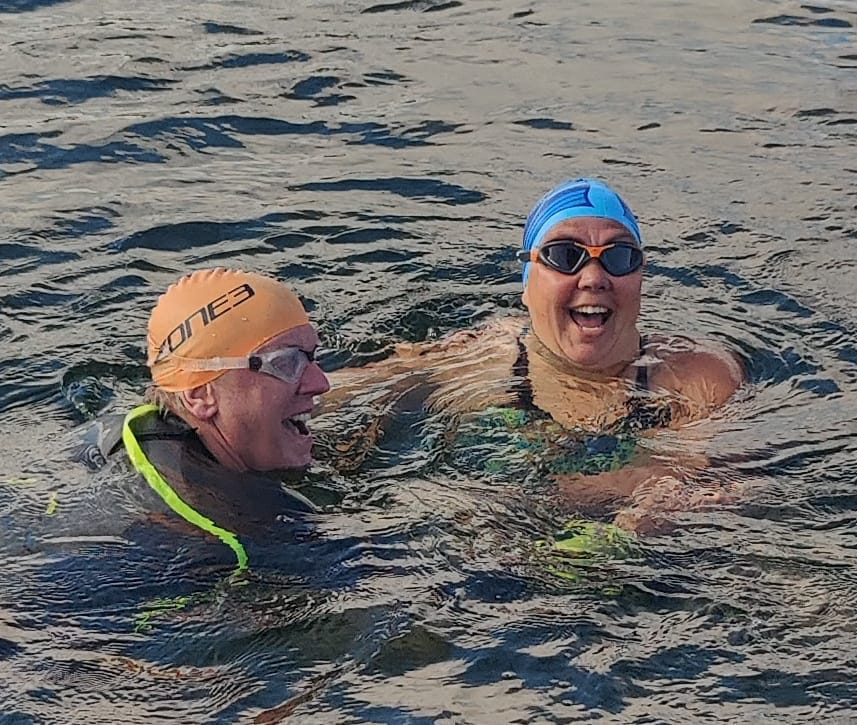
Safe Swimming
Big ideas? Not sure where to start? Book a free kick-start call with Karen
If you’ve got an idea, a dream route, or just a feeling that you’d like to do something extraordinary, Karen can help you shape it into a realistic, safe and achievable plan. On the call, you’ll cover expectations, what’s realistic, and the likely steps needed to get there.
